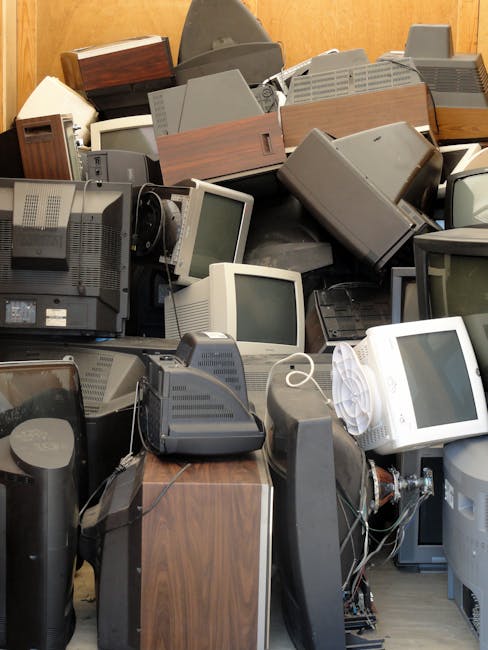
Dealing with Bulky Waste After a Paddington Move
Moving in Paddington has a habit of exposing everything at once: the sofa that doesn't fit the new layout, the wardrobe door that's seen better days, the old mattress you meant to replace last winter. Then the boxes pile up, the hallway feels tighter than it should, and bulky waste becomes the one task you didn't really budget time or energy for. Dealing with bulky waste after a Paddington move is less about "getting rid of stuff" and more about clearing space safely, legally, and without turning your new start into a weekend headache.
This guide walks through the practical side of it all. You'll see how bulky waste removal works, when it makes sense to handle it yourself, when a structured storage or clearance plan helps, and what to avoid if you want to keep things simple. If you're still in the early stages of settling in, it can also help to understand the wider support options available through Paddington Storage, or to learn more about the team behind the service on the about us page.
Let's face it: after a move, the last thing most people want is another round of heavy lifting. But if you handle bulky waste properly now, the payoff is immediate. The flat feels calmer, the clutter is gone, and you can actually walk from the kitchen to the bedroom without side-stepping a broken dining chair. Nice, that.
Why Dealing with Bulky Waste After a Paddington Move Matters
Bulky waste is any large household item that is awkward to move, too big for standard bins, or simply not worth taking into your new home. Think beds, wardrobes, bookcases, broken chairs, exercise equipment, old office furniture, large rugs, and tired appliances. After a move, these items have a way of becoming more visible. They sit in the corner, leaning against a wall, waiting for "later".
Paddington is a busy part of London, and that changes the practical reality. Buildings can have narrow stairwells, limited lift access, controlled entry, shared hallways, and tight loading conditions. Even one sofa can become a mini project if it has to be carried through a small communal entrance at a fixed time slot. If you wait too long, bulky waste can start affecting neighbours, safety, and your own ability to unpack properly.
There's also a mental side to it. A move is already a lot. You're adjusting to a new postcode, new routines, maybe a different commute. The sight of broken or unwanted items can keep the move feeling unfinished. Clear the bulky stuff, and the rest tends to fall into place quicker. Funny how that works, but it really does.
Expert summary: Treat bulky waste as part of the move, not as an afterthought. The sooner you sort it, the easier it is to protect space, reduce stress, and avoid rushed decisions about disposal.
If you're comparing support options, it can help to review the company's customer-facing details and service standards on the terms and conditions page and privacy policy. That's not just paperwork. It tells you how the process is expected to work.
How Dealing with Bulky Waste After a Paddington Move Works
In practical terms, dealing with bulky waste after a move usually follows a simple sequence: identify what needs to go, sort items by type and condition, decide whether anything can be reused or stored, and then arrange the best disposal route. The exact method will depend on the item, the volume, access conditions, and whether you need the waste removed quickly or gradually.
For many people, the first step is not disposal at all. It's sorting. A chest of drawers with good bones may be worth keeping in storage until you've settled. A damaged coffee table, on the other hand, is rarely worth dragging from one flat to another only to live in limbo for six months. Be honest with yourself here. It saves time.
The process normally becomes easier if you divide your items into three groups:
- Keep or store: items you still need but cannot place yet.
- Reuse, donate, or pass on: items in usable condition.
- Dispose: broken, unsafe, or unwanted bulky items.
Some people also use storage as a bridge. If you have moved in before deciding what fits, a short-term storage arrangement can stop you from making rushed choices. Paddington households often face this because room sizes, storage cupboards, and furniture layouts can be different from what they had before. A bed that worked perfectly in one property suddenly makes the next place feel cramped. Truth be told, it happens all the time.
Once you know what is leaving, you can choose the right route: reuse where possible, collection where suitable, or a more organised removal plan for heavier items. If you need to speak with the team directly about the best next step, the contact page is the simplest place to start.
Key Benefits and Practical Advantages
Handling bulky waste properly after a Paddington move is not only about tidiness. It has several practical advantages that tend to show up quickly once the heavy items are gone.
1. Faster settling-in
Rooms are easier to arrange when old furniture and packaging are out of the way. You can measure properly, visualise the layout, and avoid moving the same chair three times in one afternoon. That alone is worth a lot.
2. Safer access around the property
Large items in hallways, landings, or shared entrances increase trip hazards. They also make it harder for removals teams, cleaners, or tradespeople to work efficiently. In a busy London building, clear access really matters.
3. Better use of space
A move is a chance to reset the home. Removing items you no longer need creates breathing room, which can make even a compact Paddington flat feel more workable. Space is a luxury in its own way.
4. Reduced disposal stress later
Most bulky waste problems grow when they are left. One broken item becomes three. Then the spare room becomes a storage zone, then the storage zone becomes a problem. Clearing things early prevents that slow creep.
5. More flexibility with furniture and storage decisions
Once you know what needs to go, you can decide what to buy, what to keep, and what to store temporarily. That means fewer duplicate purchases and fewer regrets. Nobody needs two coffee tables. Well, unless they really do, but usually not.
| Outcome | If bulky waste is delayed | If it is handled early |
|---|---|---|
| Room layout | Guesswork, clutter, blocked corners | Clear planning and easier furniture placement |
| Safety | Trips, blocked routes, awkward lifting | Safer movement through the property |
| Stress | Lingering mental load | Cleaner finish to the move |
| Costs | Last-minute decisions can be more expensive | More time to compare options sensibly |
Who This Is For and When It Makes Sense
This topic matters to a lot of people, not just those moving from a large house into a flat. If you're dealing with bulky waste after a Paddington move, you might be in one of these situations:
- You've downsized and some furniture simply does not fit.
- You've inherited mixed household items and are sorting through them.
- You're moving from rented accommodation and want to leave the property clear.
- You've upgraded to new furniture and need the old pieces removed.
- You're temporarily storing items while you decide what stays.
- You're managing a move for family, tenants, or a home office setup.
It also makes sense whenever the move has thrown up more waste than expected. You know the feeling: a dismantled wardrobe, a broken shelf, the mattress protector you meant to throw away years ago. Suddenly there's a pile of awkward stuff and no real plan.
For landlords, letting agents, and people handing a property back, bulky waste often matters because timing is tight. Clearance needs to be organised around inspections, inventory checks, or cleaners. For owner-occupiers, it's usually about making the new home functional quickly. Different reasons, same basic problem.
And if you're still deciding whether to keep certain items, a sensible pause can help. Storage is often useful when you are not yet sure. Disposal is better when you already know the item will not add value. Simple enough, though easier said than done on moving day.
Step-by-Step Guidance
Here's a practical way to handle bulky waste without overcomplicating it. The aim is to keep the job manageable and avoid the common "I'll sort that later" trap.
- Walk through the property room by room. Make a quick list of every large item you no longer need. Include items in storage rooms, loft spaces, or communal areas if they belong to you.
- Check condition and usefulness. Ask one direct question: would I honestly use this in the next six months? If the answer is no, that's a clue.
- Separate keep, store, and dispose piles. This stops the process becoming a blur. If something is undecided, put it in a temporary holding pile rather than leaving it scattered around.
- Measure access routes. Stairwells, lifts, corners, door widths, and building entry times all matter in Paddington properties. A bulky item may be removable, but not without a bit of planning.
- Choose the right disposal method. For a few items, a simple collection arrangement may be enough. For larger volumes, a more organised clearance may be better. If the items are in decent condition, reuse or donation may be worth considering first.
- Bundle and prepare the items. Remove loose parts, tape sharp edges where sensible, and keep small accessories together. Nobody wants to find six screws and a missing shelf bracket a week later.
- Confirm timing. Coordinate with your move, cleaners, storage drop-off, or building access rules so you're not trying to do everything at once.
A small but useful tip: keep one space clear as a temporary staging area. Even a corner of the room or part of the hallway, if safe, can make the whole operation feel less chaotic. One bit tidy at a time. That is usually how it starts to feel under control.
Expert Tips for Better Results
There are a few habits that make bulky waste far easier to manage after a move, and they're often the details people miss.
Be ruthless about duplicates
Moves expose duplicates fast. Two lamps, three side tables, multiple mirrors, old desk chairs. If your new home only needs one, don't let the others hang around "just in case". It's rarely just in case.
Use the move as a natural sorting point
A move is one of the few moments when people are already mentally prepared to change things. Use that momentum. If something didn't earn its place before the move, it may not deserve a second life in the new place.
Think about the next six weeks, not just today
People sometimes keep large items because they think they might need them immediately. But if a sofa or table only works "when I've finished decorating", it can sit untouched for months. Be realistic, not idealistic.
Don't underestimate awkward items
Mattresses, wardrobes, and exercise machines can be worse than they look. They are heavy, unwieldy, and annoying in narrow hallways. Plan for the awkwardness, not just the weight.
Use storage for decisions, not delays
Storage is useful when it buys you time to make a proper decision. It is less useful when it becomes a place where unwanted items disappear for a year. Let's be fair, we've all seen that happen.
Document what is leaving
If you're managing a flat, a tenancy handover, or a family move, a simple photo record of cleared bulky items can help avoid confusion later. Nothing fancy. Just practical proof that the job was done.
These little habits save time, and they also reduce the chance of overlooked items turning into a second round of work. Nobody wants round two.
Common Mistakes to Avoid
Most bulky waste problems after a move are not dramatic. They're just the result of small oversights that snowball. Here are the most common ones.
- Leaving bulky items until the very end: This usually creates pressure and poor decisions.
- Assuming everything can go out with general rubbish: Large items need the right disposal route.
- Ignoring access restrictions: A property may have narrow lifts, time limits, or shared entrance rules.
- Not checking item condition first: Usable items are often worth separating before disposal is arranged.
- Forgetting about hidden bulky waste: Boxes in storage cupboards, broken chairs in utility spaces, and old shelving can be easy to miss.
- Underestimating physical effort: A heavy item can become a safety issue very quickly, especially on stairs.
- Not aligning disposal with cleaning or handover schedules: This can leave you scrambling at the end.
One real-world example: someone clears a bedroom but leaves a broken bed frame in the hallway "for the collection later". Then the cleaner arrives, then the delivery for the new mattress turns up, and suddenly the hallway is doing too much work. That sort of thing is avoidable, and usually it is. Mostly. At least, often enough.
Tools, Resources and Recommendations
You do not need a van full of equipment to deal with bulky waste after a Paddington move, but a few basic tools can make the process safer and calmer.
- Gloves: Useful for handling splintered wood, dusty upholstery, or sharp edges.
- Measuring tape: Helps you confirm whether items can be moved through doors or lifts without damage.
- Labels or masking tape: Handy for marking items to keep, store, or dispose.
- Boxes or bags for loose parts: Keeps screws, shelf brackets, and fittings together.
- Furniture blankets or old sheets: Protect walls, floors, and corners while moving items.
- Basic toolkit: A screwdriver or Allen key often helps when dismantling furniture safely.
Beyond tools, the most useful resource is a clear plan. Seriously. A messy plan is still a plan, but a simple written one is better. If you need to understand the business or service background before deciding how to proceed, the about us page can help set expectations. And if you've reached the point where the bulky items are blocking progress, the best next step may be to get in touch and ask what arrangement suits your timing.
For anyone storing items temporarily, check the service terms carefully. That avoids awkward surprises around access, responsibilities, or item handling. A little reading now saves a lot of head-scratching later.
Law, Compliance, Standards, or Best Practice
When bulky waste is involved, it's wise to follow accepted UK best practice and any relevant local rules without making assumptions. Exact council arrangements can vary, and requirements may change, so it is always sensible to check the specifics for your situation before putting items out, leaving them in communal areas, or arranging removal.
From a practical standpoint, a few principles usually apply:
- Do not abandon items in common areas: hallways, basements, entrances, or pavements can create problems for neighbours and building managers.
- Use suitable disposal channels: items should go through an appropriate collection, recycling, reuse, or clearance route.
- Handle hazardous items separately: anything that contains sharp components, chemicals, batteries, or electrical parts may need extra caution.
- Protect shared spaces: lifts, stairwells, and lobby areas should be treated carefully to avoid damage.
- Keep records where needed: this can be helpful for rental handovers or property management.
If a move involves rented property, office space, or communal buildings, there may also be practical expectations around leaving the space clear and undamaged. That is more than courtesy; it helps prevent disputes. The small print matters too, which is why the terms and conditions and privacy policy are worth reading if you're using a storage or related service as part of the move.
Best practice, in plain English, is simple: avoid guessing, avoid dumping, and avoid leaving someone else to sort out your leftover mess. That keeps things tidy, fair, and far less stressful.
Options, Methods, or Comparison Table
There is more than one way to deal with bulky waste after a Paddington move. The best option depends on time, condition of the items, and how much effort you want to spend. Here's a straightforward comparison.
| Method | Best for | Pros | Watch out for |
|---|---|---|---|
| Reuse or donate | Good-condition furniture and household items | Extends item life, reduces waste | Needs time, coordination, and condition checks |
| Temporary storage | Items you are not ready to part with | Buys time, keeps the move flexible | Can become expensive or cluttered if used carelessly |
| DIY disposal planning | Small numbers of items and flexible schedules | More control, can suit straightforward situations | Heavy lifting, transport, and access logistics |
| Organised clearance support | Multiple bulky items or tight move deadlines | Efficient, less physical strain, better for busy moves | Needs early booking and clear item information |
If you're deciding between options, ask yourself one honest question: do I want to spend my time lifting, sorting, and transporting this, or do I want the problem handled in a cleaner, more predictable way? That answer usually tells you enough.
Case Study or Real-World Example
Picture a couple moving into a one-bedroom flat near Paddington Basin. They arrive with a spare desk, an old mattress, two mismatched bookshelves, and a dining table that looked manageable in the old house but now feels slightly too ambitious. The new place is lovely, but every corner matters. The sofa delivery is booked for Friday, the cleaner is coming Saturday morning, and the lift booking window is tight.
Instead of leaving everything in a pile, they sort the items on day one. The desk is kept for now because one partner works from home three days a week. The bookshelves are dismantled and moved into short-term storage while they decide whether to keep them. The mattress and the old table are marked for disposal. That decision alone opens up the living room enough to measure properly and avoid buying another table too soon.
What changed? Not much, really, except the order of operations. They did not need a grand strategy. They just needed to deal with bulky waste as part of the move rather than treating it as a separate problem later. It sounds small, but it changes the whole feel of the home. The flat stops feeling like a transit point and starts feeling like somewhere lived-in.
That is often the difference between a move that drags and one that starts settling quickly. Small decisions, made early. And a bit less stuff in the way, which never hurts.
Practical Checklist
Use this simple checklist to stay on track while dealing with bulky waste after a Paddington move.
- Walk through every room and note all unwanted large items.
- Separate items into keep, store, reuse, or dispose piles.
- Check whether anything can be dismantled safely.
- Measure doors, stairs, and lift access before moving heavy items.
- Set aside screws, shelves, and small parts in labelled bags.
- Choose a disposal or storage route that matches your deadline.
- Keep communal spaces clear and protected.
- Schedule bulky waste work before cleaners or furniture deliveries, if possible.
- Confirm any service terms, access rules, or handover details in advance.
- Take a final sweep of storage cupboards, loft spaces, and utility corners.
Quick takeaway: the easiest bulky waste job is the one that gets broken into small decisions. Sort first, move second, and don't leave the awkward bits until your energy has completely run out.
Get a free quote today and see how much you can save.
Conclusion
Dealing with bulky waste after a Paddington move is one of those tasks that looks minor from a distance and quite annoying up close. But once you give it a bit of structure, it becomes manageable. Sort the items, think about access, choose the right route, and clear space before clutter settles in for the long haul.
The real benefit is not just disposal. It is momentum. A lighter, tidier property makes everything else easier: unpacking, cleaning, planning furniture, even just relaxing in the evening without staring at a half-finished corner. That matters more than people think.
If you want to talk through the next step or understand what support is available, you can always start with the contact page. And if you're still working out the bigger picture, take a quiet look at the main website too. A move can be hectic, sure, but this part does not have to be.
With a clear plan and a steady pace, the bulky waste disappears, and the new home starts to feel like yours. That's the bit people remember.
Frequently Asked Questions
What counts as bulky waste after a move?
Bulky waste usually means large household items that are difficult to carry, too large for normal bins, or awkward to store. Common examples include furniture, mattresses, shelving, and some appliances.
Should I sort bulky waste before or after unpacking?
Ideally, sort it early. If you wait until everything is unpacked, unwanted items tend to get in the way and make the home feel cluttered for longer.
Can I keep bulky items in storage while I decide?
Yes, that can be a sensible short-term option if you're unsure whether to keep something. Just avoid using storage as a place to hide decisions indefinitely.
How do I decide whether to keep or dispose of an item?
Ask whether you will realistically use it in the next few months, whether it fits the new space, and whether the item still has enough condition and value to justify keeping.
Is it better to dismantle bulky furniture first?
Often yes, especially for wardrobes, bed frames, and shelves. Dismantling can make items safer to move and easier to handle through narrow spaces.
What are the biggest mistakes people make with bulky waste?
The main mistakes are leaving it until the last minute, forgetting access restrictions, and assuming all large items can be treated the same way. They usually can't.
Do I need to think about shared hallways and lifts?
Absolutely. In Paddington properties, access can be tight, and shared spaces must be kept clear and protected. It helps prevent damage and avoids upsetting neighbours.
What should I do with broken but potentially reusable furniture?
If an item has clear reuse potential, consider repairing, donating, or storing it briefly. If the repair would cost more time and effort than the item is worth, disposal may be the better call.
How far in advance should I plan bulky waste removal?
As early as you can. Planning ahead gives you more flexibility with access, timing, and sorting. It also reduces the pressure of dealing with everything at once.
What if I only have one or two large items?
Even one or two items can create problems if they are heavy or awkward. The good news is that a smaller volume is usually easier to organise if you plan it properly.
Is bulky waste handling different in a city flat compared with a house?
Yes, often. Flats usually involve tighter access, shared areas, and more timing constraints. Houses may be easier to move items from, but the disposal decision is still the same.
Where should I start if I feel overwhelmed?
Start with one room and make three piles: keep, store, dispose. That's usually enough to break the task into something manageable. Once the first pile is done, the rest feels less intimidating.