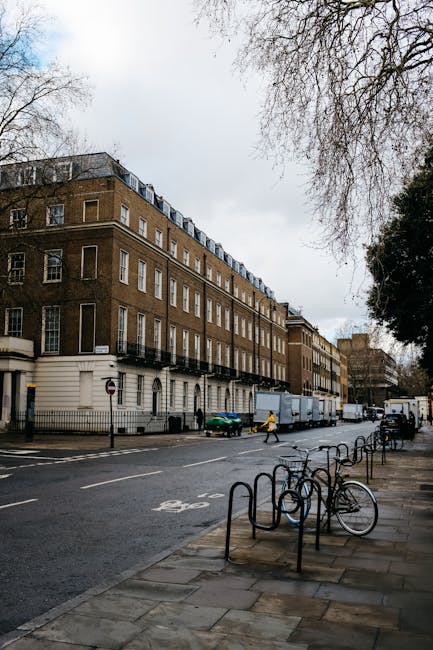
Norfolk Square removals access tips for Paddington W2
If you are planning a move around Norfolk Square, the access side of the job can be the bit that quietly makes or breaks the day. In Paddington W2, the streets are busy, parking can be tight, and the building layout is often more important than the box count. That is exactly why Norfolk Square removals access tips for Paddington W2 matter so much: a smooth move here usually depends on preparation, timing, and a realistic plan for loading, unloading, and carrying items safely.
Truth be told, most moving stress in this part of London comes from small details people only notice on the day. A narrow entrance. A lift that is smaller than expected. A loading bay that is already taken. A staircase that looks fine until the sofa reaches the first landing. This guide breaks all of that down in plain English, so you can plan properly and avoid the usual headaches.
Whether you are moving out of a flat overlooking the square, into a nearby apartment, or helping with a business relocation in Paddington, the same principles apply: measure early, check access carefully, and make sure the vehicle, crew, and timing all match the realities of the street. Let's get into it.
Why Norfolk Square removals access tips for Paddington W2 Matters
Norfolk Square sits in an area where space is valuable and access is rarely generous. That sounds obvious, but in practice it affects almost every part of a move. The route in and out may involve resident-controlled roads, limited stopping points, tight kerbs, shared entrances, basement flats, or upper-floor properties with awkward stair turns. If you only think about the front door, you are missing half the picture.
Access matters because moving day is a chain reaction. If the van cannot stop close enough, the team spends longer carrying. If the building lift is small or unavailable, heavy items slow everything down. If parking has not been arranged, the vehicle may be forced into a second-best spot that adds time and risk. One small issue can ripple through the whole schedule. And nobody wants that at 8:15 on a wet London morning with a mattress balanced near a doorway.
There is also a financial side. Poor access usually means extra labour time, more vehicle repositioning, or the need for a smaller van and shuttle transfer. That does not always mean the move becomes expensive, but it does mean estimates should reflect reality rather than hope. A proper access plan helps keep quotes fair and avoids the awkward "we didn't realise" conversation later on.
Practical takeaway: in Paddington W2, access planning is not a nice-to-have. It is part of the move itself.
How Norfolk Square removals access tips for Paddington W2 Works
At a basic level, access planning means checking how the removal team will physically get items from inside the property to the vehicle without unnecessary delay or damage. In Norfolk Square and the surrounding W2 streets, that usually involves four things: the approach route, the loading point, the building entry, and the internal path to the items.
Start with the street outside. Can a van stop nearby for long enough to load? Is there resident-only parking, a yellow line, a shared bay, or a loading restriction? Even if a permit is available, the practical question remains: will the vehicle actually fit where it needs to be? Bigger vehicles are not always better. Sometimes a man-and-van setup or a smaller removal truck is simply more sensible for older terraces, mansion blocks, and tighter mews-style access.
Next, think about the building. Is there a lift? Is it reserved, slow, or sometimes out of service? Are there stairs only, and if so, how many turns and landings are involved? You do not need a tape measure for everything, but you do need enough information to tell whether a wardrobe, fridge, sofa, or bed frame will pass through without a fight. The awkward stuff is usually what people forget until the hallway looks like a puzzle.
Then there is the internal route. A wide front door does not help much if the corridor bends sharply or there is a low ceiling near the stairwell. Likewise, an easy ground-floor flat can still be tricky if the item needs to be carried a long way through a communal entrance. That is why a quick video walkthrough or a few good photos can be more useful than a vague description over the phone.
Finally, timing matters. Early weekday slots are often easier for access, while busy periods can mean more foot traffic, more parked cars, and a less forgiving street. In our experience, even a twenty-minute shift in start time can change the whole tone of the job. Not always, but enough to be worth thinking about.
Key Benefits and Practical Advantages
Good access planning does more than reduce stress. It improves the whole moving experience in ways people notice immediately.
- Faster loading and unloading: when the van is parked sensibly and the route is clear, the crew spends less time walking back and forth.
- Lower risk of damage: fewer awkward turns, fewer rushed lifts, fewer scrapes on doorframes, bannisters, and furniture corners.
- Better quote accuracy: clear access details help removal teams price the job more realistically.
- Less day-of chaos: you are less likely to be scrambling for permits, keys, or last-minute building approvals.
- Safer manual handling: short, clear routes reduce the chance of strain injuries, especially with heavy or bulky items.
- More suitable vehicle choice: access information helps determine whether a moving truck, van, or shuttle approach is best.
There is another advantage that gets overlooked: calm. When access is thought through, the move tends to feel organised instead of improvised. That alone is worth a lot. Nobody enjoys watching a crew stand outside a building trying to guess whether the sofa will clear the stair bend. You can feel the tension rising. Better not to get there.
Who This Is For and When It Makes Sense
This kind of planning is useful for almost anyone moving in or around Norfolk Square, but a few groups need it especially.
Flat movers benefit most, because apartment access is where most surprises happen. Older mansion blocks, converted buildings, and shared entrances can all create bottlenecks. If you live above ground level, or your lift is small, access planning should be near the top of your to-do list.
Families moving house also need this, especially if there are larger items like wardrobes, cot beds, sofas, white goods, or multiple storage pieces. A family move often means more volume and more chances for one awkward item to slow everything down.
Students and renters sometimes assume a small move needs less planning. Sometimes it does, sure. But small moves still go wrong if parking is impossible or the flat is reached by a long staircase. Small volume does not always mean simple access.
Business owners and office managers should treat access planning as essential. If you are arranging a commercial move or office relocation nearby, it is not just about desks and boxes; it is about building rules, delivery windows, vehicle size, and keeping disruption low.
Anyone using a same-day service should be extra careful. There is less margin for error, so access details need to be accurate from the beginning. If not, small delays become big ones before lunch. Happens all the time.
Step-by-Step Guidance
If you want a move that feels controlled rather than chaotic, follow this process. It is simple, but it works.
- Survey the property and route. Walk from the room to the street. Notice the tight corners, stairs, lifts, doors, and any low ceilings or narrow hallways.
- Measure the awkward items. Focus on the largest pieces first: sofas, beds, wardrobes, mirrors, and appliances. The big items shape the plan.
- Check parking and stopping options. Identify whether the vehicle can pause close to the entrance, whether there are restrictions, and whether a permit or suspension is needed.
- Ask about lift access and timings. If the lift is shared, book the time carefully and avoid clashes with neighbours or deliveries where possible.
- Decide the best vehicle type. A larger truck is not always the smartest choice in Paddington. Sometimes a smaller van is faster overall because it can reach the door more easily.
- Prepare the building and belongings. Clear hallways, protect floors if needed, and separate items that need special handling.
- Share photos or a video walkthrough. A few images of the entrance, stairs, parking area, and the heaviest items can prevent misunderstandings.
- Confirm the moving window. Leave enough time for delays, building access checks, and loading. Paddington traffic can be annoyingly unpredictable, especially later in the morning.
One small but useful habit: stand at the doorway and imagine the route backwards from the van to the room. If that mental path feels clumsy, it probably is. Your instincts are often right, even if you are not sure why.
What to measure first
If you only have time to measure a few things, start with the widest item and the tightest point. That gives you the real answer fastest. Measure door widths, stair turns, and lift dimensions if available. Then compare them with the largest item's height, width, and diagonal depth. People often forget diagonal depth, which is a bit of a nuisance, really, but it matters for sofas and tall furniture.
What to photograph
Try to capture the building entrance, any loading bay or kerb space, the staircase, the lift interior, and the biggest furniture pieces. A quick phone video can do wonders. It is not about perfection. It is about context.
Expert Tips for Better Results
Here are the small, practical things that tend to make a real difference in Norfolk Square and the surrounding Paddington streets.
Book access as early as you can. If parking permits, building notices, or move-in slots are needed, leaving them late usually costs you time. Sometimes a lot of time.
Choose the right team size. More people are not always better, but too few people can create unsafe lifting or slow progress. The best setup depends on the items and route, not just the budget.
Use protective packing for hard edges. Corners on tables, headboards, mirrors, and shelving units suffer the most during tight turns. Good wrapping does not need to be fancy. It just needs to be consistent.
Plan around peak street activity. School runs, commuter flow, and delivery windows can all make a small street feel tighter than it is on paper. Early starts often help, though of course not every move can be at dawn, and who wants that every time?
Keep the entrance clear. A cluttered hallway or stacked bags by the door slows everything down more than people expect. One shoe, one coat, one box in the wrong place, and suddenly the whole path feels smaller.
Use specialist handling for awkward items. Pianos, oversized mirrors, and heavy gym equipment need more than just muscle. If you need advice on difficult heavy items, see the detailed guidance in moving a piano safely and related lifting guidance.
Don't ignore the exit route from the property. Some movers only assess the front entrance, but the internal exit is where the trouble often starts. Stairs, tight landings, and low railings are the real bottlenecks.
Common Mistakes to Avoid
The biggest access mistakes are not dramatic. They are ordinary. That is why they happen so often.
- Assuming the van can park "somewhere nearby". Nearby is not always good enough in a busy W2 street.
- Forgetting about lift size. Small lifts and large furniture do not always get along, no matter how optimistic everyone is at 7 a.m.
- Ignoring time restrictions. Some buildings and streets work better at certain times of day. Later starts can be a headache.
- Not telling the movers about stairs. Stairs without notice can turn a straightforward move into a slog.
- Leaving packing until the last minute. Loose items slow the crew and make access harder, especially in narrow hallways.
- Choosing the wrong vehicle size. Bigger sounds efficient until it cannot stop where it needs to.
- Skipping the building check. A quick conversation with the porter, concierge, or landlord can prevent avoidable confusion.
One of the most common errors, honestly, is underestimating the stairwell. People look at it once and think, "that seems fine." Then the bed frame arrives and the judgement changes. Fast.
Tools, Resources and Recommendations
You do not need specialist equipment to plan access well, but a few simple tools make a noticeable difference.
- Measuring tape: for doorways, furniture, lifts, and stair turns.
- Phone camera or video: for sharing access details clearly.
- Sticky notes or labels: to mark items that need to come off first or be handled carefully.
- Floor protection materials: useful in older buildings or where weather may bring in grit and moisture.
- Box cutters, tape, and wrap: for quicker loading and fewer snagging hazards.
- Parking and permit notes: keep the reference numbers, times, and any approval details in one place.
If your move involves packing help, it can be worth reading practical advice on packing efficiently for a new home before the moving day. Clean packing makes access easier because boxes stack better and travel more safely. It sounds minor, but it really adds up.
If you are decluttering first, this guide on decluttering before a house move can help you reduce the load before the first box is carried downstairs. Less stuff means fewer access problems. Simple, but effective.
Law, Compliance, Standards, or Best Practice
For moves in Paddington W2, compliance is mainly about practical best practice and respecting local conditions rather than one single rulebook. Parking restrictions, loading limitations, building policies, and noise considerations can all affect a move, and they may vary from one street or property to another. It is sensible to check the specific requirements for the day rather than assuming a standard approach will work everywhere.
Where parking or loading is involved, make sure any permit, suspension, or booking is valid for the exact time window you need. If your building has a concierge, management office, or resident access rules, follow them carefully. The goal is not just avoiding trouble. It is keeping the move moving.
Manual handling should always be taken seriously too. Good practice means lifting with enough people, using the right equipment, and not forcing items through spaces that are obviously too tight. If something feels risky, it probably is. There is no prize for squeezing a wardrobe through a doorway it never wanted to fit through in the first place.
For bulky items, waste disposal, or leftover materials after the move, the right approach is to separate what will be reused, stored, donated, or disposed of properly. If you need more guidance on waste and leftover items, see dealing with bulky waste after a Paddington move and the practical notes on skip disposal rules in Paddington. Planning this side properly helps avoid last-minute mess and keeps the property clear for the next stage.
Options, Methods, or Comparison Table
Different access situations call for different moving methods. There is no one-size-fits-all solution, and that is especially true around Norfolk Square where building layouts vary so much.
| Method | Best for | Strengths | Trade-offs |
|---|---|---|---|
| Large removal truck | Bulkier house moves with decent street access | High carrying capacity, fewer trips | Can be difficult to park or manoeuvre in tighter W2 streets |
| Small van or man and van | Flats, narrow roads, limited stopping space | Easier access, more flexible parking, quicker local positioning | May require more trips for larger volumes |
| Hybrid approach | Properties with awkward access but substantial loads | Balances access and capacity well | Needs careful planning and good coordination |
| Full packing plus move | Busy households or time-sensitive relocations | Reduces decision fatigue and speeds loading | Usually costs more than basic transport only |
To be fair, the best choice is often not the biggest vehicle or the fanciest service. It is the one that matches the building. A compact van that can park properly is often worth more than a bigger truck sitting awkwardly round the corner while everyone waits.
Case Study or Real-World Example
Here is a realistic example based on the sort of move people regularly face in the area.
A couple moving out of a first-floor flat near Norfolk Square had a sofa, bed frame, washing machine, six medium boxes, and a mirror. At first glance, it seemed straightforward. But the building entrance opened onto a narrow path, the lift was small, and the street outside had limited stopping options during the morning rush. The first instinct was to book a larger vehicle and "make it work". That would have been the mistake.
Instead, the move was planned around a smaller vehicle with easier access, an early slot, and a quick pre-move walkthrough. Photos were shared of the hallway, the lift, and the stair bend. The team arranged the loading sequence so the sofa came out first, before the corridor filled up with smaller boxes. The result was not magic. It was just good planning. The move stayed calm, the furniture got out without damage, and the total job time was far more predictable.
The real lesson? Access planning saved more time than brute force ever could. That is the part people forget. In a place like Paddington, clever wins more often than heavy.
Practical Checklist
Use this checklist before moving day. It is simple, but it catches most avoidable problems.
- Confirm the full address and exact entrance point
- Check whether parking, a bay, or a suspension is needed
- Measure the largest items and the tightest access points
- Ask about lift size, lift timings, and service interruptions
- Review the stair route, including turns and landings
- Share photos or a short video of the entrance and access route
- Separate fragile, heavy, and awkward items in advance
- Clear hallways, door thresholds, and the area around the front door
- Confirm the moving vehicle type and arrival window
- Set aside keys, permits, and contact numbers in one place
- Plan for items that may need dismantling before exit
- Decide in advance what will be stored, moved, or disposed of
If you want a little extra reassurance, go through the route once more the evening before. Not the whole property with a clipboard and a serious face, just a quick quiet look. You will notice things you missed the first time.
Conclusion
In a busy part of London like Norfolk Square and Paddington W2, removals access is never just a background detail. It shapes timing, vehicle choice, handling, parking, and the general mood of the day. When you take the time to check the route, measure the awkward bits, and plan around the real conditions on the street, the move becomes much easier to manage.
The best Norfolk Square removals access tips for Paddington W2 are not complicated. They are just practical: know the access route, match the vehicle to the street, prepare the building, and keep communication clear. Do that, and you give yourself a much better chance of a calm, efficient move with fewer surprises. And let's face it, fewer surprises is exactly what most people want on moving day.
If you are comparing service options, reviewing access details, or just trying to get a proper plan together, take the time to talk through the practical side before the first box moves. It pays off. Every time, nearly.
Get a free quote today and see how much you can save.
Frequently Asked Questions
What makes Norfolk Square access tricky for removals?
The main issues are usually parking, narrow stopping points, shared entrances, lift size, and tight internal routes. The area is central, busy, and not always forgiving for large vehicles.
Should I book a small van or a large removal truck?
It depends on the property access, not just the amount of stuff. A small van may be better if parking is limited or the street is narrow, while a larger truck suits properties with easier loading space.
Do I need to measure furniture before moving?
Yes, especially the largest items. Measure sofas, wardrobes, beds, and appliances, then compare them with doorways, stair turns, and lift dimensions.
How early should I arrange access checks?
As early as possible. Ideally, check access before you finalise the moving date so any parking, permit, or building issues can be handled in good time.
What should I photograph before the move?
Take photos of the entrance, corridor, stairwell, lift, loading area, and the largest furniture items. A short video can also be very helpful.
What if the lift is too small for my furniture?
If the lift will not take the item safely, the team may need to use stairs, dismantle the item, or rethink the moving method. It is better to know this early than on the day.
Can access problems increase moving costs?
They can, because difficult access may add time, labour, or require a different vehicle setup. Clear information early helps quotes stay more accurate.
What time of day is best for a move in Paddington W2?
Early slots are often easier because streets are less busy and parking can be simpler. That said, the best time depends on the property, the building, and any local restrictions.
How do I reduce the risk of damage during a tight move?
Use proper packing, protect furniture edges, clear the access path, and make sure the right number of people are handling heavy or awkward items.
Should I tell the movers about stairs even if there are only a few?
Absolutely. Even a short staircase can affect time, handling, and team size. A few steps can make a big difference when a bulky item is involved.
What if I need storage as part of the move?
If some items cannot go directly to the new property, storage can be a useful buffer. It helps when move-in dates do not line up neatly or when access is too tight for everything at once.
Where can I find more practical moving advice for Paddington?
Useful related reading includes guides on parking suspensions, lift access, narrow street moves, packing, and decluttering. These topics all connect to the same basic goal: making the move easier before the van even arrives.