Westminster Council Permits for Paddington Removals
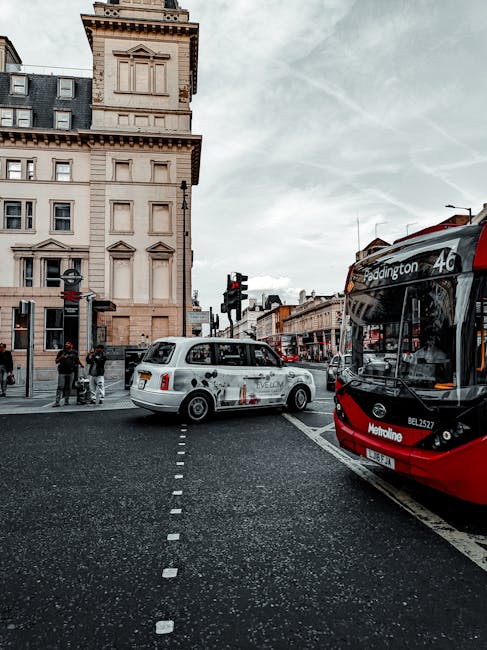
If you are moving in or out of Paddington, there is a good chance that parking, loading space, and timing will matter just as much as boxes and bubble wrap. Westminster Council Permits for Paddington Removals can be the difference between a smooth move and a morning spent circling the block, watching the clock, and trying not to block a bus lane. Truth be told, that's nobody's idea of fun.
This guide explains what the permit process usually means in practical terms, why it matters for local moves, and how to plan your removal day with less stress. You'll also find a clear step-by-step approach, common mistakes to avoid, a realistic comparison of moving options, and a checklist you can use before the van arrives.
Whether you are arranging a flat move, a house relocation, an office transfer, or a simple furniture collection, the goal is the same: keep the move legal, efficient, and calm enough that you can actually breathe on the day.
- Why Westminster Council Permits Matter
- How the Permit Process Works
- Key Benefits and Practical Advantages
- Who Needs This and When It Makes Sense
- Step-by-Step Guidance
- Expert Tips for Better Results
- Common Mistakes to Avoid
- Tools, Resources and Recommendations
- Law, Compliance, Standards, or Best Practice
- Options, Methods, or Comparison Table
- Case Study or Real-World Example
- Practical Checklist
- Conclusion
- Frequently Asked Questions
Why Westminster Council Permits for Paddington Removals Matters
Paddington is a busy part of London. Roads can be narrow, parking can be limited, and loading bays may already be occupied before breakfast. That creates a simple problem: even if your movers are ready, the street may not be. This is where Westminster Council permits come into the picture.
For removals, a permit is often about more than a piece of paperwork. It helps make sure the vehicle can stop where it needs to stop, for long enough to load or unload safely. Without that arrangement, you may end up with longer carry distances, extra labour, delays, or even a nasty fine if the vehicle is left somewhere it should not be. Nobody wants to discover that in the middle of moving day, box cutter in one hand and flat-pack frustration in the other.
In Paddington, this matters especially because many properties sit close to busy roads, controlled parking zones, or restricted streets. The knock-on effect is real. If the van cannot park near the entrance, your sofa has to travel further, your team spends more time hauling, and the whole schedule starts to slip.
There is also a trust angle here. A well-planned removal shows that the move has been thought through properly. That is reassuring whether you are a homeowner, tenant, landlord, business owner, or facilities manager. It tells everyone involved that the move is being handled with care, not guesswork.
Practical takeaway: In Paddington, the parking plan is part of the move plan. If the parking plan is weak, the rest of the day usually feels it.
If you are organising a home move, it can help to look at home moving support alongside your parking and permit planning. For larger relocations, the structure of the move becomes even more important, especially if you are using house removalists or arranging a commercial move with multiple access points.
How Westminster Council Permits for Paddington Removals Works
Let's keep this plain English. A removal permit or parking arrangement is usually about securing lawful access for a moving vehicle near the property. Depending on the street, the time of day, and the type of vehicle, the move may need a suspension, loading permission, dispensation, or another form of parking control arrangement. The exact wording and route depend on the circumstances, so it is worth treating this as a planning task rather than a quick checkbox.
The process usually starts with checking the move date, the vehicle size, and the property access. Then someone has to look at the street itself: is there a loading bay, a resident bay, yellow lines, a shared access road, or a controlled parking zone? In Paddington, those details can change the whole approach.
A small move with a compact vehicle may be manageable with simple loading arrangements. A larger house move or office relocation is different. You may need a longer stopping window, more space to manoeuvre, and a vehicle choice that fits the street. If you are unsure, a good moving firm will often help you plan this before anything is booked. That saves headaches later, which is always welcome.
It also matters who is doing the moving. For example, a man and van service can be a practical option for smaller or faster jobs, while a larger move may require a moving truck or a dedicated removal truck hire setup. The permit or parking plan should match the vehicle, not the other way round.
In many real moves, the smoothest results come from working backwards: start with the property and street restrictions, then choose the vehicle, then confirm the loading arrangement, and only then lock in the moving time. Simple. Not always easy, but simple.
Key Benefits and Practical Advantages
Permit planning is not exciting, but it delivers real value. And when the day is already packed with boxes, keys, last-minute cleaning, and that one drawer nobody remembered, practical value matters.
- Closer parking to the property: Less carrying distance usually means faster loading and unloading.
- Lower risk of delay: With a proper parking plan, the team can start on time instead of hunting for a space.
- Reduced physical strain: Fewer long carries help protect furniture, walls, stairwells, and backs.
- Better control of timing: This is especially useful if there is a lift booking, lease handover, or office opening deadline.
- Less disruption to neighbours and traffic: A planned stop is easier to manage than a vehicle that keeps shuffling around.
- More predictable costs: When access is sorted properly, the move is less likely to run long and rack up avoidable labour time.
These benefits become more obvious the larger the move gets. A single-bedroom flat on a quiet side street is one thing. A family house with wardrobes, awkward corners, and a piano that everyone pretends not to notice? That's a different story entirely.
There's also a subtle but important business benefit. If your removal team can access the property efficiently, the move feels organised and professional. That matters for companies that are relocating offices and want staff disruption to stay low. Services such as office relocation services and commercial moves often depend on the same principle: good access leads to a cleaner, safer, more controlled move.
Who This Is For and When It Makes Sense
Not every move needs the same level of permit planning. Some people can manage with a compact vehicle and a straightforward loading window. Others need a much more careful approach because the street, the property, or the vehicle size creates complications.
You are likely to benefit from permit planning if you are:
- moving from a flat in a busy Paddington street
- relocating into a property with limited kerbside access
- using a larger van or lorry
- moving during a busy weekday period
- handling a commercial move with equipment and furniture
- collecting bulky items that need quick loading
- dealing with residents' bays, loading restrictions, or narrow access routes
It also makes sense if you simply want less uncertainty. Some people are fine improvising. Others would rather know the plan is settled before moving day begins. Neither is wrong, but in Westminster, a little structure usually pays off.
If your move is small and light, a man with van option may be enough. If you are moving furniture only, a dedicated furniture pick-up can be a sensible, low-fuss choice. If you want packing help too, pairing access planning with packing and unpacking services can remove a lot of pressure. Nice, really.
Step-by-Step Guidance
If you are not sure where to begin, follow this sequence. It keeps the moving day practical and helps you avoid the kind of mistake that only becomes obvious when the van is already outside.
- Check the property access. Look at the street, the curb space, and whether there are any obvious restrictions such as yellow lines, bay markings, or loading limitations.
- Decide what is actually being moved. A few boxes and a desk are not the same as a full family home or office suite. Be honest here. People often undercount, and then the van arrives looking far too small.
- Choose the right vehicle size. A small van may suit a compact flat move, while a larger truck may be necessary for bulkier jobs.
- Confirm the timing. Weekday traffic, school runs, and local business activity can all affect how easy it is to stop and load.
- Discuss the permit or parking requirement early. Do not leave this until the day before. Good planning usually starts earlier than people want it to, but there we are.
- Prepare the property. Clear hallways, label boxes, protect floors if needed, and make sure access points are free from clutter.
- Keep key documents and contact details close. That includes the mover's number, building access instructions, and any notes on parking or entry.
- Reconfirm everything the day before. A quick check can catch changed timings, unexpected road works, or building access issues.
A useful rule of thumb: if anything about the street feels tight, busy, or uncertain, plan for it earlier rather than later. Paddington rarely rewards a last-minute approach.
Expert Tips for Better Results
In our experience, the best removals are usually the ones where the team has enough space to do the job properly. Not fancy. Just practical. Here are a few field-tested tips that make a real difference.
- Use the smallest suitable vehicle. Bigger is not always better in central London. A more compact van can sometimes save more time than a large truck that struggles with access.
- Think about the carry route. A short road-side stop is not helpful if the actual lift or front door is awkwardly placed around the corner.
- Split the load by priority. Put essential items near the door so they come out first. That makes the unloading side much calmer.
- Protect the fragile route. Door frames, stair corners, and narrow hallways often take the first knock. A little protection now can prevent damage later.
- Consider loading help. If your move includes heavy wardrobes, filing cabinets, or awkward furniture, using experienced movers can save time and reduce risk.
- Keep communication simple. One person should be in charge of the move details. Too many opinions on the kerbside usually slows everything down.
One small human observation: moving day often feels twice as chaotic at 8:15 in the morning as it did the night before. That's normal. But a good access plan makes the chaos manageable, which is really what you want.
If you are moving a business or office, clear access and timed loading matter even more. Staff can only wait around so long, and printers, chairs, monitors, and meeting-room furniture do not magically move themselves. If only.
Common Mistakes to Avoid
Most removal problems are predictable. That sounds harsh, but it's true. The good news is that the common mistakes are also avoidable if you know what to watch for.
- Leaving parking planning too late: The biggest mistake, by far. People focus on packing and leave the street plan until the final day.
- Choosing the wrong vehicle size: This can create repeat trips, extra labour, or a vehicle that simply cannot access the property comfortably.
- Assuming the street will be fine: It might be. Or it might be full by 7:30am.
- Ignoring lift, building, or concierge rules: In apartment buildings, internal access often matters just as much as the road outside.
- Underestimating how long loading takes: Even a modest move can take longer if stairs are involved or furniture is awkward.
- Forgetting the return trip: If the vehicle needs to come back for a second load, the plan should allow for that.
- Not matching the service to the job: A tiny collection and a full commercial relocation should not be treated the same way.
One more thing people often miss: the weather. London drizzle is not dramatic, but it is relentless. Wet pavements make handling bulky items slower and less pleasant. You do not need a weather sermon here, just a sensible buffer.
Tools, Resources and Recommendations
You do not need a huge toolkit to plan a removal properly. What you do need is a simple set of practical tools and a clear line of communication.
Useful things to have ready include:
- a floor plan or quick sketch of the property layout
- a written list of large furniture and awkward items
- photos of the street access and entrance where helpful
- box labels by room and priority
- building entry instructions, lift bookings, or concierge notes
- a contact number for the mover and for the property manager if relevant
From a service perspective, it is often smart to match the move type to the support level you need. A smaller job may only need a flexible vehicle and light assistance, while a bigger move may benefit from full handling support. If you are unsure, the pages for home moves and man and van give a useful sense of how different move sizes can be approached.
If you are dealing with office furniture or business equipment, the planning should also account for desks, IT kit, and fragile items. In that case, it can be wise to look at commercial moves as part of the broader decision. For businesses, one smooth unloading window can save a lot of disruption.
And if you want to understand the company itself before booking anything, the about us page is a sensible place to start. Trust matters on moving day. It just does.
Law, Compliance, Standards, or Best Practice
Moving in Westminster means paying attention to local parking control, road restrictions, and property rules. The exact permit or permission needed can vary depending on the street, vehicle, and timing, so it is always wise to check the situation before the move rather than assuming it will sort itself out.
From a best-practice point of view, there are a few simple principles worth following:
- Plan ahead: Access arrangements should be reviewed early enough to make changes if needed.
- Use the correct vehicle: Do not bring a vehicle that is too large for the location unless you have confirmed it can safely and lawfully stop there.
- Respect neighbours and other road users: Loading should be as tidy and brief as possible.
- Keep accurate move details: Address, date, access instructions, and load size should all be clear.
- Follow building rules: Many apartment blocks and offices have their own move requirements.
It is also sensible to treat any permit or parking arrangement as one part of a wider compliance picture. A lawful stop is only useful if the vehicle can still work safely, the loading route is clear, and the move does not create unnecessary obstruction. That balance matters. A lot.
If you want help carrying the workload rather than doing everything yourself, services like removal truck hire and house removalists can make the practical side easier while you stay focused on the administrative side. For more detail on service terms and site expectations, it is also sensible to review the terms and conditions and privacy policy before confirming anything.
Options, Methods, or Comparison Table
Different moves need different approaches. Here's a simple comparison to help you choose the right path for a Paddington removal with Westminster parking considerations in mind.
| Option | Best for | Typical strengths | Things to watch |
|---|---|---|---|
| Man and van | Small flat moves, single-room jobs, light furniture | Flexible, often easier on tighter streets, efficient for short jobs | Limited space for large loads, may need multiple trips |
| Man with van | Similar small-to-medium domestic moves | Good balance of help and practicality | Not always suitable for bulky or heavy inventories |
| Moving truck | Larger households or fuller inventories | More capacity, fewer trips | Needs better access planning and more space |
| Removal truck hire | Moves where vehicle control and scheduling matter | Useful when a dedicated vehicle plan is required | Access details must be accurate before booking |
| Home moves | Residential relocations of all sizes | Structured support for domestic changes | Permit planning often depends on street constraints |
| Commercial moves | Office and business relocations | Better for organised, time-sensitive transfers | Often more complex due to building rules and equipment |
There is no one-size-fits-all answer. A smaller job may feel over-served by a large truck, while a bigger move can become painfully slow if the vehicle is too compact. The right choice is the one that fits the property, the street, and the amount of stuff you actually have.
Case Study or Real-World Example
Here's a realistic example. A couple moving out of a third-floor Paddington flat had a modest amount of furniture, but the street outside had limited stopping space and the front entrance sat just far enough from the kerb to make every item a bit of a carry. On paper, it looked manageable. In practice, it needed more thought.
They first assumed a standard van would be enough. Then they walked the route from the flat to the road and realised the stairwell was narrow, the corner by the door was tight, and the nearest safe stopping point was not where they had originally imagined. They switched to a more suitable vehicle plan, packed priority items separately, and arranged the loading schedule to match the parking window.
The difference was obvious. Fewer pauses, less backtracking, and no frantic reshuffling of boxes on the pavement. The move still had the usual human chaos - someone lost a charger, someone else found a missing mug in a kitchen cupboard - but the access side was controlled. That alone made the day feel easier.
A similar pattern applies to office relocations. If desks, archive boxes, and IT equipment need to come out in a fixed order, parking control and timing become part of the project plan, not just a side note. In those cases, the benefit of organised access planning is hard to overstate.
Practical Checklist
Use this checklist before moving day. It is simple on purpose.
- Confirm the move date and arrival window.
- Check whether the street has parking restrictions, bays, or loading limits.
- Choose a vehicle that suits the property access and load size.
- Review building entry rules, lift bookings, or concierge instructions.
- Label boxes by room and priority.
- Keep fragile and essential items separate.
- Clear hallways, doorways, and landings.
- Prepare contact details for the mover and property contact.
- Recheck the plan the day before the move.
- Allow a little extra time, because London traffic loves to test patience.
Quick reminder: if the access looks awkward when you inspect it in daylight, it will probably feel even tighter when the van is there and everyone's in a hurry.
Conclusion
Westminster Council Permits for Paddington Removals are really about making the move work in the real world. Good parking access, sensible vehicle choice, and clear timing can take a move from stressful to manageable. That matters whether you are moving a studio flat, a family home, a single sofa, or an entire office floor.
The smartest approach is usually the simplest one: assess the street, match the vehicle to the space, confirm the loading plan, and give yourself enough time to do it properly. If you do that, the rest tends to fall into place much more neatly.
And if you want support with the move itself, choosing the right service can make the permit and parking side easier too. A well-planned move is not about perfection. It is about avoiding avoidable pain. Which, let's face it, is a pretty good standard.
Get a free quote today and see how much you can save.
When the boxes are stacked and the kettle is packed away for one last run, a calm plan is worth its weight in gold. Small things matter. Especially on moving day.
Frequently Asked Questions
Do I always need a permit for removals in Paddington?
Not always. It depends on the street, the type of vehicle, the loading space available, and the timing of the move. Some jobs can be managed with straightforward loading arrangements, while others need more formal parking control.
What happens if I do not arrange parking properly?
You may face delays, longer carrying distances, extra labour time, and possible enforcement issues if the vehicle stops where it should not. Even when nothing dramatic happens, the move can become far more tiring than expected.
How far in advance should I sort out the permit or parking plan?
As early as you can. The exact lead time can vary, but last-minute planning is where most problems begin. A few days of breathing room is far better than trying to sort everything the night before.
Can a man and van service help with permit planning?
Yes, often it can. A good man and van provider will usually understand how access, loading, and vehicle choice affect the job, even if the final permit decision depends on the street and council rules.
Is a larger truck better for bigger removals?
Usually, yes, if the street can handle it. A larger vehicle can reduce trips, but it also needs more space and better access planning. Bigger is useful only when it still fits the location properly.
Do office moves need the same planning as home moves?
Not quite. Office moves often involve stricter building rules, fixed handover times, and equipment that needs careful handling. The access plan is still crucial, but the timetable is usually tighter.
What if my property is on a narrow street with no obvious loading bay?
That is exactly when planning matters most. A narrower street may require a smaller vehicle, a different loading window, or extra time. It is better to find that out before moving day rather than during it.
Can packing services make the permit process easier?
Indirectly, yes. Packing and unpacking services can reduce the number of loose items, speed up loading, and help the team move more efficiently once access is available.
What is the best option for moving a few furniture items?
If it is just a handful of items, a smaller service such as furniture pick-up or a compact vehicle setup may be enough. The key is to match the service to the real size of the job, not the hoped-for size.
Where should I start if I do not know what service I need?
Start with the size of the load, the property access, and the moving deadline. From there, you can decide whether you need home moving support, commercial move help, or a smaller vehicle-based solution. If you are still unsure, the simplest next step is to contact the team and describe the move in plain terms.
Are Westminster parking restrictions the same everywhere in Paddington?
No, they are not. Different streets and buildings can have different restrictions, so it is a mistake to assume one parking situation applies everywhere. Always check the specific location rather than relying on a general rule.
What if I want to understand the company before booking?
That is sensible. A quick look at the about us page can help you get a feel for the service approach, and the terms and conditions can clarify the basics before you confirm anything.